Owyhee River Rafting
OWYHEE RIVER RAFTING
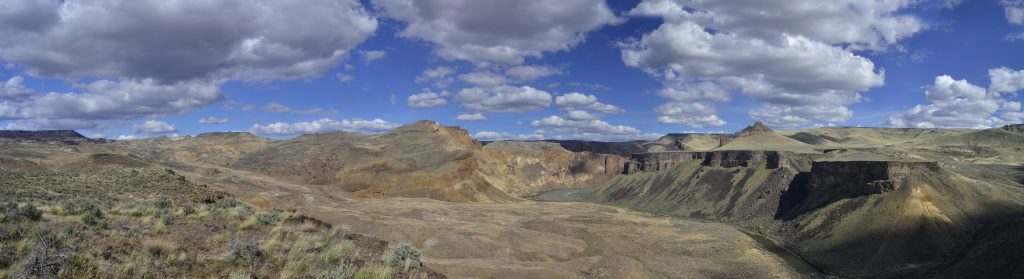
The awe inspiring desert scenery of the Wild & Scenic Owyhee River Rafting trip has been called Oregon’s Grand Canyon and with good reason, this truly is a wilderness desert river rafting trip in the far SE of Oregon.
Usually one of the most anticipated parts of the trip is the geological features of the striking canyons, with volcanic domes and sheer cliffs constantly highlight the day as you float downriver. One of the true secrets of the Owyhee river is the riverside hotsprings that make camping a truly unique experience among the open sky.
With the solid class III rapids like Bullseye, Whistling Bird and Montgomery scattered throughout the breathtaking canyons & sweeping vistas, the days offer plenty. The striking views from the side hikes to places like Chalk Basin and Lambert Dome are often highlights of the trip for many.
Along the way see and visit historic native sites with petroglyphs, abandoned western ranches and hidden caves, the Owyhee river is full of secrets. This river is on most people’s river wish list for a reason, we invite you to find out why.
- Stunning desert river canyons, hotsprings and picturesque hikes
- Fun class III rapids spaced out between points of historical and geological highlights
- A true wilderness river for the adventurer seeking a special kind of trip.
2024 LAUNCH DATES:
4/4/24-6 DAY OPEN RAFTING & CURRENT ADVENTURES KAYAKING
4/11/24-6 DAY OPEN RAFTING
4/18/24-6 DAY ROAD SCHOLAR
4/25/24-6 DAY ROAD SCHOLAR
5/3/24-5 DAY OPEN RAFTING
| Trip Length | Availability | Price per Person | |
|---|---|---|---|
| Four Days | For groups of 5 or more. | $1125 | Online reservations are not available for this trip length, please call 800-827-1358 to book. Four day trips are available for groups of 5 or more. |
| Five Days | For groups of 5 or more for for alternative launch dates. | $1475 |
Owyhee River Trips
- Parties of 10 or more are eligible for a group discount on most trip dates. Please contact us for details concerning group rates.
- All camping gear provided; tent, sleeping bag, pad, group gear.
- All meals starting with lunch on day 1 through lunch on final day.
- River water levels and trip capacity may limit availability.
- Before you book you may want to review our deposit, cancellation, and refund policies.
5.5 Day Owyhee River Trip
- Trip meets at 3:30 PM on day one and ends at 6:30 PM on day six*
Five Day Owyhee River Trip
- Trip meets at 7:30 AM on day one and ends at 6:30 PM on day five*
Four Day Owyhee River Trip
- Trip meets at 7:30 AM on day one and ends at 5:00 PM on day four*
- Online reservations are not available for this trip length, please contact us to book. Four day trips are available for groups of 5 or more.
- Recommended minimum age is 13.
Trip Highlights
- Spectacular desert scenery.
- Great hiking.
- Natural riverside hot springs.
- Excellent birding.
- Petroglyphs, historic sites.
- The most remote, pristine river we raft.
Trip Summary
- Near: Jordan Valley
- Trip Length: 4 & 5 days
- Meeting Time: 7:30 AM
- Season: March-May
- Boat Options: paddle raft, oar raft, row-yourself cataraft, inflatable kayak
- Whitewater Rating: III+ (Intermediate)
- Suggested minimum age: 12
What Our Guests Are Saying:
"What an amazing adventure! Even the Infamous"Oregon spring weather" didn't disappoint. The River is absolutely gorgeous and varied, the guides were outstanding (5 for 15 of us and 5 rafts) and the fellow travelers were the usual Road Scholar types--good sports, hardy, non-complaining and fun folks. There were options for paddling or not each day, with more non-paddling spots than paddler spots. Food was delicious, camping areas and side trips excellent. Hot springs were very welcome our week. What an experience to see these guides navigate through and over the rocks with those big rafts encouraging and ragging on each other. There were plenty of challenging rapids, and we had the river to ourselves. If you like rafting, tent camping, wearing layers one day and shorts the next, and adventure, don't miss this trip. And it's fun to mention the Owyhee River and have no one know what you are talking about."
Eileen
"Rafting with ORE was a wonderful way to see the incredibly beautiful landscape of the Owyhee River canyons. Our guide, Ted, knows the river, every rapid and eddy. He entertained us with stories of past trips on the Owyhee as well as other rivers, whetting our appetites for future river trips with ORE."
Francis R