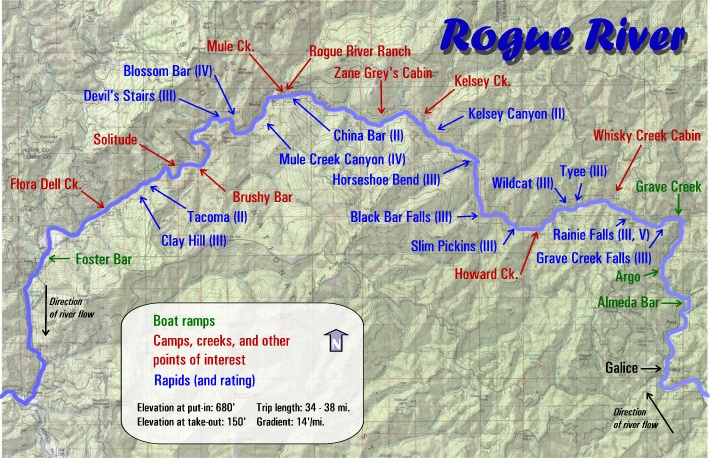

The Rogue River, winding from the Cascade Mountains to the Oregon coast, offers a diverse blend of scenery and activities. From its origins near Crater Lake to its mouth in Gold Beach, the river cuts through valleys and canyons, attracting outdoor enthusiasts and nature lovers alike.
Southern Oregon’s charm extends beyond its natural beauty, with thriving food and wine scenes adding to the region’s allure. Ashland, home to the renowned Shakespeare festival and picturesque downtown, beckons visitors seeking cultural experiences amidst the wilderness.
Surrounding the Rogue River, the landscape boasts a plethora of outdoor activities that go beyond rafting. From rugged canyons and serene wilderness to expansive wildlife refuges, the area offers a variety of spectacular natural attractions that promise adventure and scenic beauty. Here are our top picks for outdoor explorations:
After an exhilarating day of river rafting, finding the perfect place to unwind is key. Whether you’re looking for cozy cabins, comfortable resorts, or scenic campgrounds, the areas surrounding the Rogue River offer diverse lodging options to suit any preference.
Additionally, if you’re considering extending your trip to explore more of Oregon’s natural beauty or the charming towns nearby, here are a couple of options:
While Galice itself has limited dining options, nearby towns like Merlin and Grants Pass offer a variety of choices to satisfy your appetite after a day on the river. Whether you’re in the mood for hearty Italian, gourmet local cuisine, or a relaxing meal with river views, you’ll find great places to eat just a short drive away.
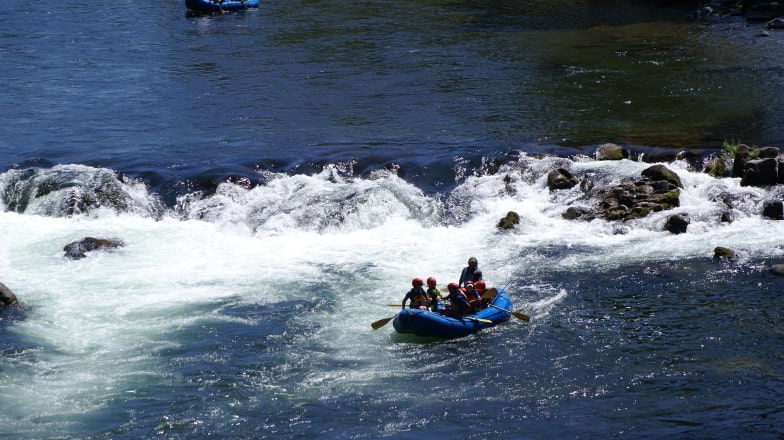
The North Santiam River rafting experience offers a perfect introduction to whitewater. Conveniently located near Salem and Portland, it's a great river to raft year round. Our half-day and full-day options include lots of swimming opportunities, crystal clear water and mild, splashy rapids like Spencer's Hole, Carnivore and Mill City Falls. It's a river rafting trip suitable for everyone, whether they be novices or a veteran rafter.
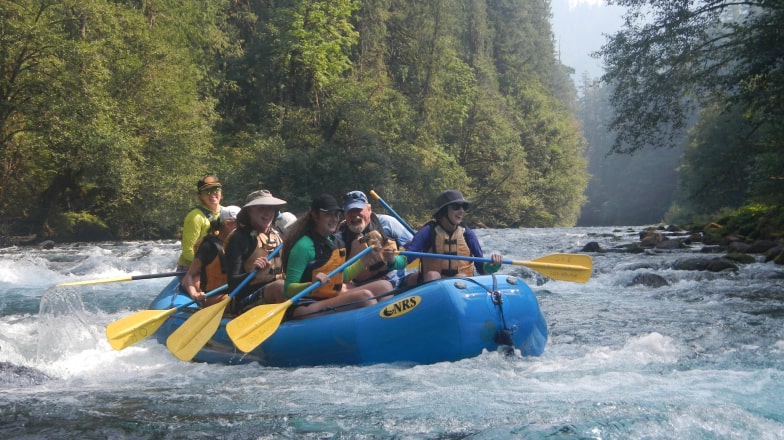
The beautiful McKenzie River is located just East of Eugene and is one of our favorite rafting runs in the Willamette Valley. Swift, crystal clear water moves along a tree-lined river bank and is full of fun Class II+ rapids. With half-day to two-day McKenzie River Rafting trips available, there is plenty of great camping, hiking, fishing and whitewater to enjoy.
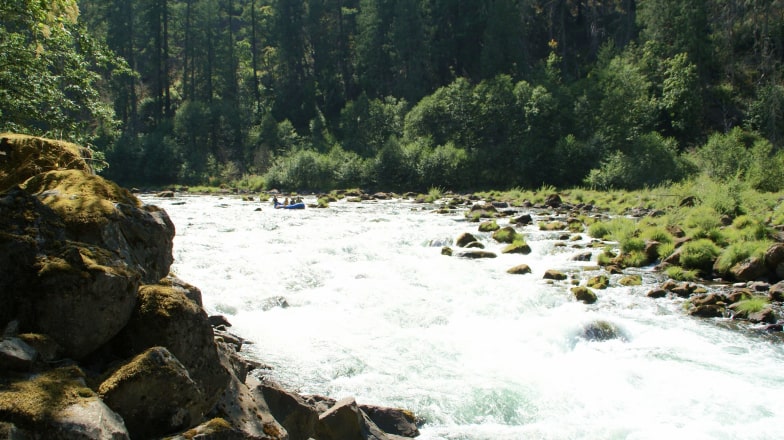
The Wild & Scenic Sandy River is an early season delight, as the water generally starts to drop by early June. It courses its way down the slopes of Mt Hood and drops into the Cascade foothills before joining the Columbia River. A Sandy River rafting trip is a great option to see the lesser known portion of this surprising scenic trip that is still close to town.
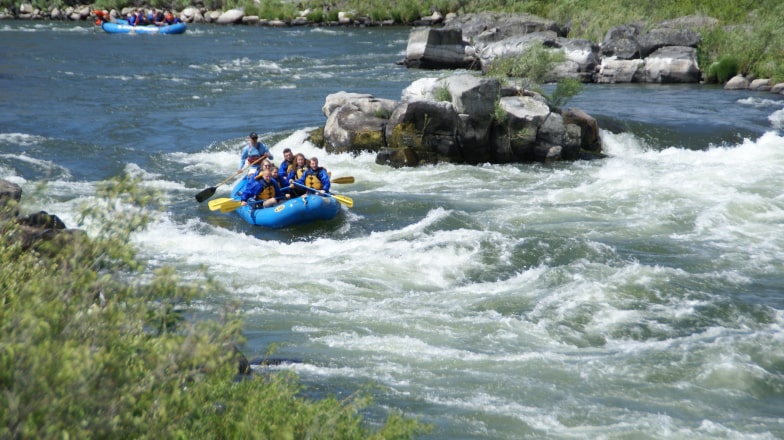
Oregon's #1 most popular one-day adventure, our Deschutes river rafting trips flow through the high desert with consistent and exciting Class III-IV white water. Suitable for beginners, your deschutes rafting experience also features world-class fishing and abundant wildlife. This river is only 2 hours from Portland and offers plenty of sunshine and swimming even when Western Oregon is cloudy.
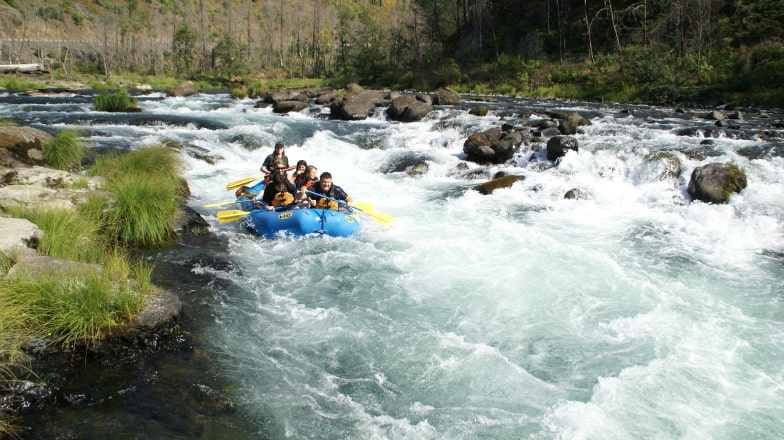
The Wild & Scenic Clackamas River is rated as one of the best rafting adventures in Oregon and is only a 45 minute drive from Portland's East side. An unbeatable combination. Three thrilling Class II or Class III+ white water rafting trips are available to choose from. Our half-day trips on the Lower Clackamas are perfect for those new to rafting or with smaller kids. The Upper Clackamas offers a more thrilling rafting adventure. The full-day Upper Clackamas Experience is the most thrilling white water rafting trip we offer. This river has it all.